We Design. We Build. We Deliver.
Engineered for cleanroom ventilation, semiconductor fab thermal control, heavy industrial exhaust systems, and high-reliability HVAC installations across the Seoul Capital Area.
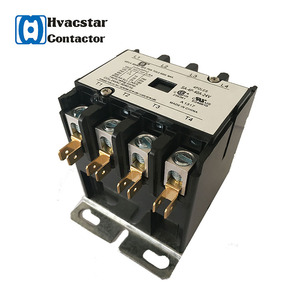
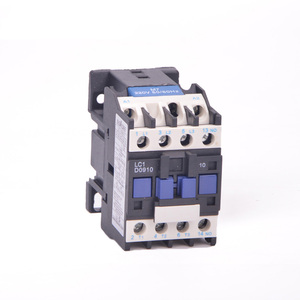
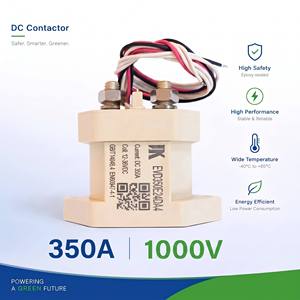
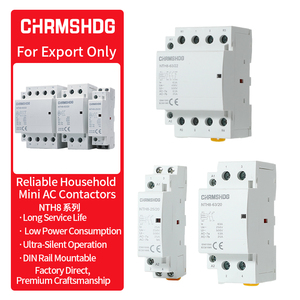
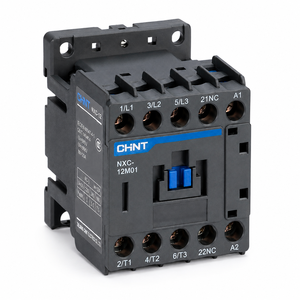
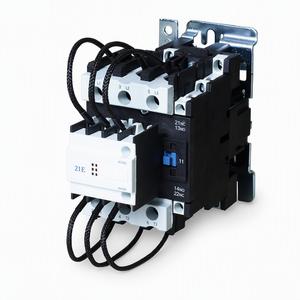
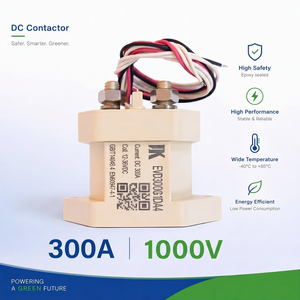
SEOUL INDUSTRIAL PROCUREMENT BRIEFLING: Sourcing high-performance centrifugal blowers and integrated electromechanical switching components in South Korea requires rigorous alignment with local KEC (Korea Electrical Code) guidelines, strict indoor air quality (IAQ) mandates from the Ministry of Environment, and specialized anti-vibration metrics for high-density metropolitan spaces like Magok Industrial Complex, Guro Digital Complex, and the Yongin Semiconductor Cluster.
As the primary economic and technological engine of South Korea, the Seoul Capital Area (including Gyeonggi Province and Incheon) presents a unique set of thermal management and ventilation challenges. From sub-fab cleanrooms in semiconductor plants to high-rise commercial towers in Yeouido and Gangnam, mechanical engineers demand centrifugal blowers that deliver consistent static pressure, continuous duty cycle reliability, and minimal electromagnetic interference (EMI).
Centrifugal blowers (also categorized as radial fans or squirrel-cage blowers) differ fundamentally from axial fans. By accelerating air radially through an impeller and discharging it through a scroll housing at a 90-degree angle, centrifugal blowers generate high static pressures capable of driving air through dense HEPA/ULPA filtration banks, extensive ductwork runs, and tightly packed heat exchangers. For OEM plant managers and HVAC system integrators in Seoul searching for verified centrifugal blower suppliers, selecting the appropriate aerodynamic profile—whether forward-curved, backward-inclined, or airfoil impellers—is crucial to operational efficiency and overall lifecycle cost (LCC).
Ideal for high-airflow, low-to-medium pressure HVAC units. Features small physical footprints and low acoustic signatures at modest rotational speeds (RPM).
Delivers mechanical efficiencies exceeding 85%. Non-overloading power curves prevent motor burnout during sudden drops in system static pressure.
Integrates electronically commutated motors with 0-10V or Modbus control for real-time demand-based ventilation in smart Seoul industrial buildings.
When engineering air delivery networks for Seoul's specialized industrial facilities, technical procurement teams must weigh volume flow rate (measured in CFM or m³/min) against total static pressure (Pa or inches W.G.). Below is an engineering matrix detailing performance characteristics across core centrifugal blower designs:
| Blower Architecture | Static Pressure Range (Pa) | Peak Mechanical Efficiency | Acoustic Profile (dBA) | Primary Industrial Application in Korea |
|---|---|---|---|---|
| Forward-Curved Double Inlet | 150 Pa – 850 Pa | 60% – 68% | 35 – 52 dBA | Commercial AHU, Fan Coil Units (FCU), Cleanroom FFUs |
| Backward-Inclined Single Inlet | 450 Pa – 2,200 Pa | 75% – 82% | 42 – 65 dBA | Data Center Precision Cooling, Battery Pack Venting |
| Airfoil Blade Centrifugal | 800 Pa – 4,500 Pa | 82% – 89% | 48 – 70 dBA | Semiconductor Exhaust, Heavy Industrial Scrubbers |
| Radial Blade High-Pressure Blower | 2,000 Pa – 12,000 Pa | 55% – 65% | 65 – 88 dBA | Pneumatic Material Transport, Flue Gas Recirculation |
South Korea dominates global memory semiconductor manufacturing. Microchip fabrication facilities (fabs) demand ISO Class 1 to Class 100 cleanroom environments. Centrifugal blowers deployed in Fan Filter Units (FFUs) and chemical exhaust systems must maintain extremely stable static pressure while operating 24/7/365 without dynamic imbalance. Our motorized centrifugal blowers utilize precision-balanced impellers rated to ISO 1940 G2.5 standard. Paired with Altran Magnetics high-voltage DC contactors and EMI noise suppression filters, these assemblies ensure clean variable speed control without polluting sensitive electrical grids.
With Seoul hosting hyper-scale data centers for global cloud networks and financial institutions, server heat dissipation requires high-static backward-inclined EC blowers. In rack-level computer room air handlers (CRAH), redundant centrifugal blowers modulated via solid-state relays (SSRs) adjust airflow instantaneously based on thermal sensors. This drastically reduces Power Usage Effectiveness (PUE) metrics, aligning with South Korea's K-ESG sustainability mandates.
Underground metro networks like the Seoul Subway System require fire-smoke extraction blowers engineered for high-temperature survival (300°C for 2 hours). Furthermore, subterranean shopping centers in COEX and Jamsil demand dual-inlet centrifugal fans equipped with magnetic contactors rated to withstand heavy inductive switching frequencies without contact welding.
Directly importing or specifying industrial blowers and electrical switching gear into Seoul requires strict compliance with Korean statutory frameworks. Failure to meet localized certifications can stall plant commissioning or cause catastrophic regulatory audits:
Sourcing your thermal management components from a dual-capability manufacturer provides unprecedented engineering synergy. Rather than sourcing centrifugal blowers from one vendor and magnetic contactors, relays, or EMI filters from another, Altran Magnetics provides validated, fully compatible component ecosystems under a single roof.
Every blower assembly and companion electrical switching device undergoes 100% functional testing, dielectric withstand verification, and dynamic balancing prior to dispatch. By partnering with our engineering group, Korean purchasing teams gain access to direct factory support from initial CAD modeling through to on-site commissioning in Seoul.