We Design. We Build. We Deliver.
Explore high-reliability thermal overload, solid-state electronic relays, and heavy-duty AC/DC magnetic contactors designed for industrial automation, HVAC, solar, and battery storage applications.
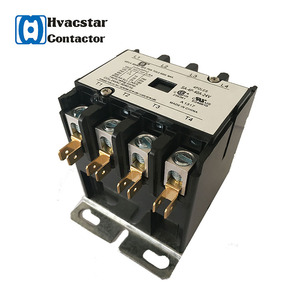
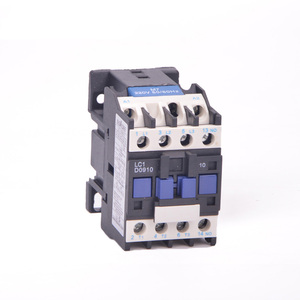
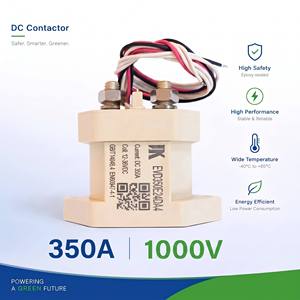
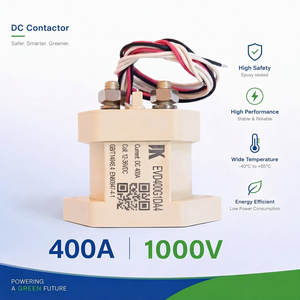
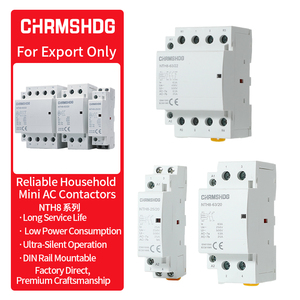
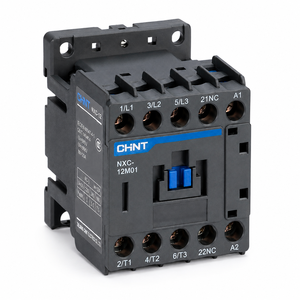
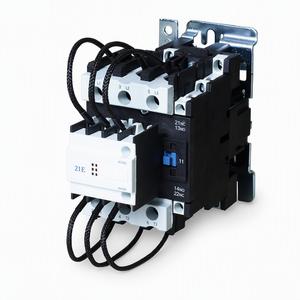
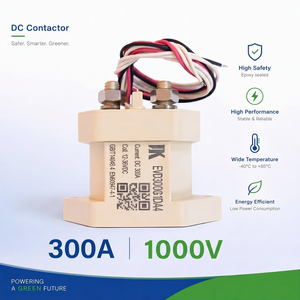
In modern industrial motor control centers (MCC), renewable energy power plants, and automated processing lines, the overload relay serves as the primary line of defense protecting electric motors and power circuits from thermal burnout, phase unbalance, rotor lock-up, and sustained current overloads. Unlike standard circuit breakers designed for instantaneous short-circuit interruption, overload relays track thermal heating curves (I²t characteristics) to prevent insulation degradation while accommodating harmless temporary high-inrush currents during motor startup.
As global manufacturing pivots toward Industry 4.0 automation and high-voltage DC (HVDC) architectures—such as battery energy storage systems (BESS) and megawatt-level EV charging infrastructure—procurement teams and electrical engineers require overload protection hardware engineered for tighter trip tolerances, wider ambient temperature compensation, integrated communication protocols (IO-Link, Modbus), and extended electrical endurance.
When evaluating global motor protection relay manufacturers, engineering procurement directors evaluate key technical metrics rather than unit pricing alone:
Modern electrical engineering leverages three distinct overload relay topologies depending on environmental conditions, duty cycles, and control requirements. The matrix below outlines operational differences for procurement specification mapping:
| Feature / Parameter | Thermal Bimetallic Relays | Solid-State Electronic Relays | High-Voltage DC / Magnetic Relays |
|---|---|---|---|
| Operating Principle | Differential heating expansion of bimetal strips | Integrated Current Transformers (CTs) & ASIC microprocessor | Magnetic coil force & hermetic arc suppression chamber |
| Current Setting Ratio | 1.4:1 (Narrow adjustment dial) | 5:1 or 10:1 (Wide adjustable range) | Fixed or discrete step calibrated coils |
| Power Consumption | Moderate (Heater element continuous power dissipation) | Ultra-Low (< 0.5W electronic circuit draw) | Low continuous draw (with coil economizer) |
| Phase Loss Protection | Available via differential mechanism | Instantaneous electronic detection (< 2 seconds) | External module or multi-pole voltage sensing required |
| Thermal Memory | Physical thermal cooling simulation | Digital algorithms modeling winding temperature | Not applicable (Electromechanical trip) |
| Primary Target Use | Standard AC motor starters, HVAC pumps, fans | Critical automation, heavy machinery, wide-load motors | EV Chargers, BESS disconnects, Solar PV arrays |
The global industrial control relay market is highly concentrated among tier-one multinational manufacturers and specialized OEM suppliers. Evaluating vendors requires verifying quality management systems (ISO 9001), regulatory compliance (UL 60947-4-1, CSA C22.2, CE, RoHS, REACH), and global component availability.
As industrial infrastructure transitions toward electrification and energy-efficient operations, buyers must align component procurement with emerging technical trends over the next decade.
Overload relays are evolving from passive interruption devices into smart edge sensors. Embedded current transformers stream real-time phase current, thermal capacity utilization, and event logs via IO-Link or Modbus RTU to prevent unplanned machine downtime.
The rise of commercial battery storage (BESS) and ultra-fast charging points requires DC relays capable of breaking high DC arcs. Gas-filled (hydrogen/nitrogen mix) and epoxy-sealed contactors with permanent magnetic blowouts are replacing traditional air-break relays.
Electromechanical relays are rapidly adopting electronically controlled PWM (Pulse Width Modulation) economizer coils. These coils reduce pick-up power spikes and drop holding power consumption by up to 80%, minimizing cabinet thermal load.
Navigating global component supply chains requires partnering with manufacturers who prioritize technical rigor, strict quality assurance, and direct application engineering support over off-the-shelf catalog limitations.
Engineering teams work directly with OEM designers out of our Sterling, Illinois facility—analyzing motor duty cycles, inrush profiles, line transient EMI noise, and thermal enclosure dynamics prior to issuing formal part specifications.
All component series ship with complete regulatory compliance documentation packages—including UL file references, declarations of conformity, material composition declarations, and full dielectric withstand test data.
Modify coil voltages, pin terminal layouts, auxiliary contact configurations, busbar adapters, and private label markings under formal revision control, protecting your manufacturing BOM from unannounced supplier modifications.
Get immediate answers to common engineering and sourcing questions regarding overload relays, contactor selection, and international compliance standards.
Trip classes dictate the maximum time in seconds an overload relay will take to trip when carrying 600% (6 times) of its rated full load current (FLA):
Nuisance tripping in outdoor or solar junction enclosures typically stems from high internal ambient temperatures exceeding the relay's standard 20°C/40°C calibration baseline. To prevent false trips, specify relays featuring ambient temperature compensation (-20°C to +60°C) with internal compensating bimetal strips, or switch to solid-state electronic overload relays unaffected by ambient thermal radiation.
Coordination types define the acceptable condition of a motor starter assembly (contactor + overload relay + short-circuit protection device) following a short-circuit fault:
Direct current (DC) lacks a natural zero-crossing point like AC current, meaning DC electrical arcs do not naturally extinguish when contacts separate. Epoxy-sealed or gas-encapsulated DC contactors fill the breaking chamber with high-thermal-conductivity gas (such as hydrogen or nitrogen) combined with permanent magnetic blowouts. This structure rapidly stretches and quenches high-voltage DC arcs up to 1500V, preventing contact welding and fire hazards.
Yes. By providing the competitor part number, full load current (FLA) rating, control coil voltage, mounting footprint (DIN-rail or panel mount), and certification requirements, our engineering team can cross-reference the component to an equivalent or superior Altran platform, supplying complete 3D CAD drawings and test data for verification.
Speak directly with our US-based application engineering team in Sterling, IL. We provide customized component recommendations, sample evaluation units, and rapid OEM quotations for global manufacturing programs.