High-Voltage DC Switching Solutions • 12V DC – 1500V DC • Epoxy Sealed & Gas-Filled Architecture
OEM Industry Solutions
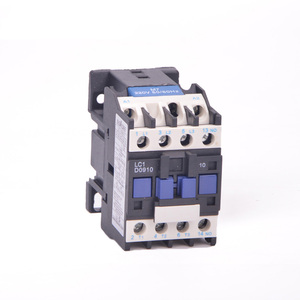
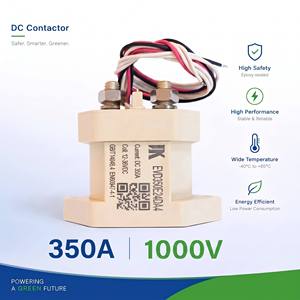
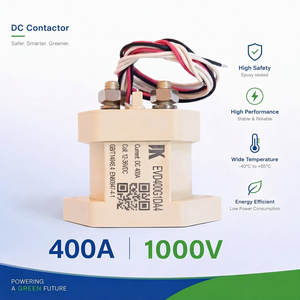
Featured Switching & Control Component Lineup
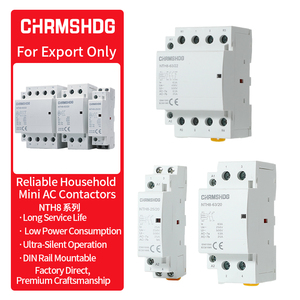
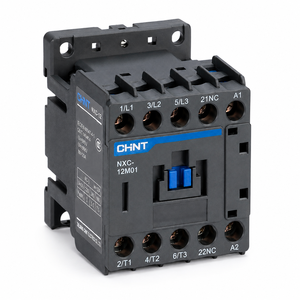
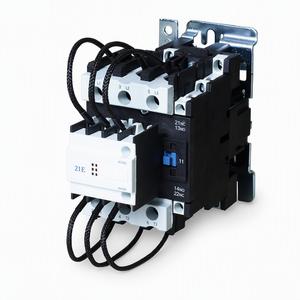
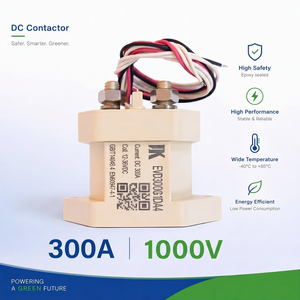
Precision-engineered AC/DC magnetic contactors, epoxy-sealed high-voltage relays, and power switching modules compliant with CE, UL, cUL, and RoHS global directives.
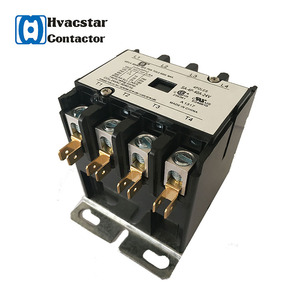
CUL Certified HVAC Definite Purpose Brand Magnetic 4 Poles Electrical AC Contactor 4P 40Amp 24-277v
Architectural Deep-Dive: Next-Generation High-Voltage DC Switching Technologies
In modern electrical engineering, direct current (DC) power distribution introduces formidable physical challenges distinct from conventional alternating current (AC) networks. Because direct current lacks a natural zero-crossing voltage point, breaking an energized DC circuit under load generates a continuous plasma arc. Without aggressive mechanical and electromagnetic intervention, this arc causes severe contact erosion, contact welding, and cataclysmic thermal failure. As global industries shift toward high-voltage direct current (HVDC) architectures—driven by Electric Vehicle (EV) fast-charging infrastructure, Battery Energy Storage Systems (BESS), and renewable microgrids—the demand for reliable, CE-certified DC contactors has surged.
Technical Benchmark: Unlike standard AC contactors that rely on cyclic zero-crossing to extinguish arcs, industrial-grade high-voltage DC contactors utilize permanent magnetic blow-outs combined with hermetically sealed ceramic chambers filled with high-thermal-conductivity inert gases (e.g., Hydrogen or Nitrogen mixtures). This architecture instantly stretches and cools the plasma arc within milliseconds.
Arc Extinction Dynamics & Hermetic Gas Chamber Design
At the core of an OEM-grade CE certified DC contactor lies the arc-extinction chamber. When the main contacts separate under heavy electrical loads (up to 1000V DC or 1500V DC), a high-energy arc strikes between the stationary and movable contacts. Our advanced switching platforms employ two synergistic technologies to handle this phenomenon:
Magnetic Blow-Out Arrays: Integrated high-coercivity NdFeB permanent magnets generate a strong Lorentz force perpendicular to the arc current vector. This force violently propels the plasma arc away from the contact surfaces into arc chutes or ceramic chamber walls, drastically increasing arc length and electrical resistance.
Hermetic Ceramic-Gas Encapsulation: The switching contacts are sealed inside a high-strength ceramic chamber charged with pressurized inert gases. Hydrogen-rich gas mixtures exhibit exceptionally high thermal diffusivity, extracting heat from the ionized arc column at ultra-fast speeds to achieve instantaneous dielectric recovery.
Zero Contact Welding
Advanced AgSnO2 (Silver Tin Oxide) and copper-tungsten contact alloys minimize micro-welding during peak inrush currents up to 3000A.
PWM Economizer Coils
Integrated dual-coil electronics utilize high initial pull-in power followed by low-power PWM holding mode, reducing power consumption by up to 85%.
Bi-Directional Interrupt
Non-polar contact configurations allow seamless bi-directional power flow control, essential for regenerative braking and BESS charge/discharge cycles.
Engineering Comparison: Open-Air AC vs. Sealed High-Voltage DC Contactors
Select the optimal component topology based on your application's electrical stress profile, environmental isolation requirements, and international compliance standard.
Performance Parameter
Standard AC Contactor
Epoxy-Sealed DC Relay
Gas-Filled HVDC Contactor
Rated Voltage Range
24V – 690V AC
12V – 750V DC
12V – 1500V DC
Arc Suppression Method
Natural AC Zero-Crossing
Magnetic Blowout + Arc Chute
Pressurized Gas + Lorentz Blowout
Enclosure Protection
IP20 – IP40 (Open Frame)
IP67 (Epoxy Encapsulated)
Hermetic Ceramic IP67 / IP69K
Inrush Current Capability
3x – 5x Rated Current
5x – 8x Rated Current
10x – 12x Rated Current
CE Certification Norms
EN 60947-4-1 (LVD)
EN 60947-5-1 / IEC 60947-4-1
EN 60947-4-1 / EN 60947-1 / CE LVD
Primary Target Application
HVAC, Motors, Compressors
AGVs, Telecom, Solar Aux
Megawatt EV Chargers, Utility Storage
Global Procurement Trends: High Voltage DC Contactors (2025–2030)
The global switching component market is undergoing a structural paradigm shift. Sourcing directors and OEM engineering teams must align their supply chain strategies with several key technology trends driving high-voltage direct current (HVDC) power systems over the next decade:
1. Expansion of 1500V DC Architecture in Utility Energy Storage (BESS)
To increase system efficiency and lower balance-of-system (BOS) cabling costs, battery energy storage OEMs are migrating from legacy 1000V systems to 1500V DC architectures. This shift demands DC contactors with elevated dielectric insulation ratings (up to 10,000V AC withstand) and enhanced impulse withstand capabilities. Sourcing managers must prioritize manufacturers capable of certifying 1500V continuous breaking capacity under harsh temperature cycles (-40°C to +85°C).
2. Rise of Megawatt Charging Systems (MCS) for Commercial Heavy Vehicles
While passenger EV chargers operate between 150kW and 350kW, heavy-duty electric trucks, buses, and maritime vessels require Megawatt Charging Systems (MCS) operating at currents exceeding 500A to 1000A continuous. DC contactor manufacturers are responding by developing liquid-cooled busbar interfaces and dual-contact parallel switching architectures with active thermal monitoring.
3. Transition to Eco-Friendly Gas Blends
Environmental regulations, particularly within the European Union (CE compliance framework), are tightening around fluorinated greenhouse gases (F-gases). Leading OEM factories, such as our Sterling, Illinois facility and regional manufacturing hubs, are transitioning from sulfur hexafluoride (SF6) arc-quenching media to environmentally safe nitrogen-based and eco-gas mixtures that achieve zero Global Warming Potential (GWP) without compromising arc quenching speed.
4. Embedded Smart Diagnostics & Auxiliary State Feedback
Industrial IoT (IIoT) integration is transforming simple electromechanical contactors into intelligent edge nodes. Modern high-spec contactors now incorporate mirror auxiliary contacts (compliant with IEC 60947-4-1 Annex F), integrated Hall-effect current transducers, and temperature sensors that feed real-time health data to system controllers, predicting contact wear before catastrophic line failures occur.
Why Partner With Us: Engineering Leadership & Factory Capabilities
As an authoritative global manufacturer of high-voltage DC contactors, EMI filters, and solid-state relays based in Sterling, Illinois (with global distribution channels), we provide full OEM/ODM customization backed by rigorous testing and transparent compliance documentation.
Custom Engineering & Prototyping
Our US and global engineering teams modify coil voltages, termination busbars, auxiliary wiring harnesses, and mounting footprints to match your custom OEM cabinet enclosures.
Strict Quality Control & Traceability
Every serial number undergoes 100% automated testing for contact resistance, dielectric withstand voltage, pick-up/drop-out voltage thresholds, and gas chamber hermetic seal integrity.
CE, UL & International Compliance
Full regulatory compliance support including declarations of conformity, UL file numbers, RoHS/REACH material safety compliance, and export documentation shipped with every batch.
Technical Help Center
Frequently Asked Questions for Buyers & Engineers
Expert answers regarding technical specifications, CE certification compliance, custom branding, and global supply logistics.
What specific voltage and current ranges do your CE certified DC contactors cover?
Our high-voltage DC contactor platforms switch main load voltages from 12 VDC up to 1,500 VDC, with continuous current-carrying capacities ranging from 10 A to 500 A continuous (and short-circuit overload capability up to 3,000 A for short durations). We offer both epoxy-sealed and gas-filled ceramic arc-suppression designs tailored for EV charging stations, battery energy storage systems (BESS), solar inverters, and heavy-duty electric vehicles.
How do you verify CE compliance for DC contactors exported to the European Union?
Our DC contactors are tested and validated against the European Low Voltage Directive (LVD 2014/35/EU) and relevant harmonized standards including EN 60947-1 and EN 60947-4-1. Verification includes creepage/clearance distance measurements according to IEC 60664-1, dielectric breakdown resistance, temperature rise limits under rated continuous current, and mechanical/electrical endurance testing. Full Declarations of Conformity (DoC) and test reports are supplied upon request.
What is the functional difference between polar and non-polar DC contactors?
Polarized DC contactors utilize permanent blowout magnets oriented in a specific magnetic direction; therefore, current must flow in one designated direction (Line to Load) to effectively blow the arc into the arc chute. Non-polar (bi-directional) DC contactors utilize symmetrical magnetic blowout geometries or dual-direction arc paths, allowing current to break cleanly in both forward and reverse directions—making them ideal for battery storage systems that undergo continuous charging and discharging cycles.
Can your engineering team support custom OEM branding, wiring, or mounting designs?
Yes. Custom engineering is a cornerstone of our manufacturing operation. We routinely modify auxiliary contact leads, coil connection terminals (such as Deutsch or Molex connectors), custom busbar plating (silver or tin copper), custom mounting bracket footprints, and private-label laser etching under strict customer part-number revision control.
What is a coil economizer, and why is it recommended for high-power DC contactors?
High-power contactors require significant initial magnetic energy to pull in heavy copper/tungsten contacts against strong return springs. Once closed, much less power is required to hold the contacts in place. A coil economizer (either dual-coil mechanical switching or integrated PWM electronic driver) automatically drops the holding power by 70% to 85% after closure, dramatically reducing coil heat generation, saving energy, and extending component operating life.
How can international procurement teams request samples or cross-reference competitor part numbers?
You can request qualification samples or submit competitor part numbers directly to our engineering support group by clicking the "Inquire Now" button on this page. Our technical team will evaluate your load profile, physical dimensions, coil specifications, and safety certification requirements to supply an exact fit-form-function cross-reference package within 24 to 48 hours.
Ready to Optimize Your High-Voltage DC Switching Architecture?
Connect directly with our application engineers for custom drawing reviews, technical datasheets, sample orders, and factory-direct OEM quantity pricing.