Choosing Three Phase Solid State Relays requires more than matching voltage and current numbers. These devices control high-power loads quietly, but small selection errors can create serious heat. A relay may appear suitable on paper and still fail inside a crowded control cabinet.
This guide presents seven practical tips for making a safer, more reliable choice. It examines load type, switching method, current margin, heat dissipation, protection features, installation conditions, and manufacturer documentation. A heater, motor, and compressor do not stress a relay in the same way. Their starting currents, switching behavior, and thermal patterns can differ sharply. Consider the real load.
A useful selection process begins with measured operating data, not assumptions. Check the line-to-line voltage, normal current, inrush current, ambient temperature, and expected switching frequency. Then review the datasheet carefully. Look for derating curves, leakage current, maximum junction temperature, and recommended fuses. In practical panel work, a relay rated for 40 amps may need far less capacity when airflow is poor. A heat sink can become unexpectedly hot.
The details matter. Very much.
Some choices remain imperfect because field conditions change. Dust, loose terminals, vibration, and uneven phase loading can reduce service life. A neat spreadsheet cannot reveal every installation problem. These tips provide a disciplined starting point, while qualified technicians should verify the final design, wiring, and protective measures against applicable standards. Reliable control begins with honest measurements and cautious margins.
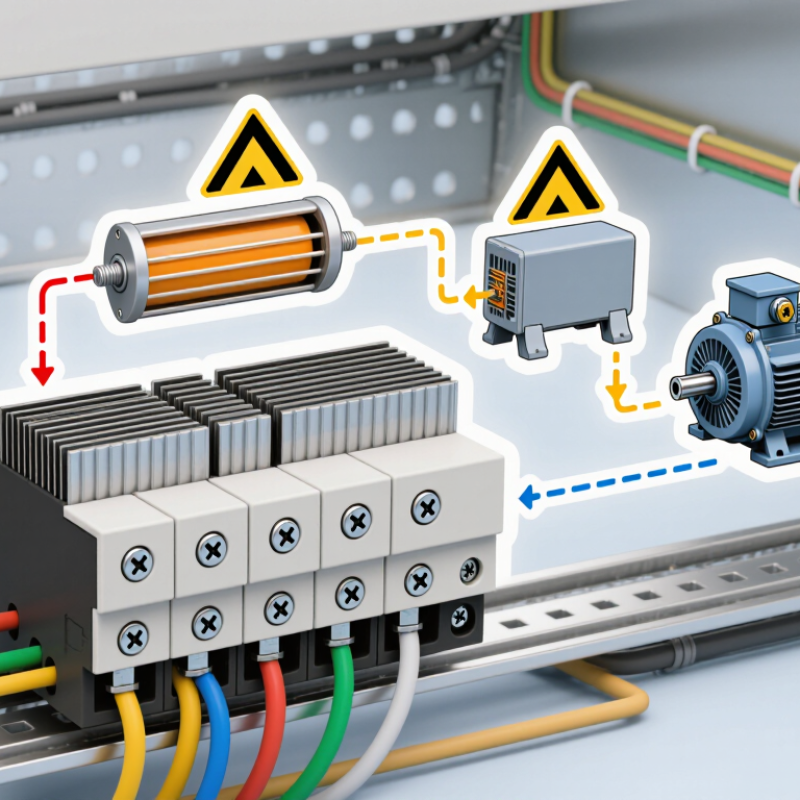
Understanding Three-Phase Solid State Relay Fundamentals
Three-phase solid state relays use semiconductor devices to switch three AC lines without mechanical contacts. Each phase must share the load correctly. Unlike magnetic contactors, SSRs switch silently and resist contact wear, but they generate heat continuously. Zero-cross models reduce electrical noise with resistive loads. Random-fire models respond faster for heaters, lamps, and some motor controls. The load decides.
Tip 1: Match voltage ratings carefully. Check line-to-line voltage, not only phase voltage.
Tip 2: Select current with thermal margin. A relay rated at 40 amperes may need derating inside a warm cabinet.
Tip 3: Confirm the load type. Motors and transformers can create heavy starting current.
Tip 4: Inspect the control input. Some circuits need 3–32 VDC, while others require a different signal.
In field checks, I measure each phase under real operating conditions. I also inspect the heat sink, terminal torque, and airflow. A cool relay can still leak current when switched off, so isolation may need a separate disconnect device.
Tip 5: Use fast semiconductor fuses where the application requires them.
Tip 6: Add surge protection for long cables or unstable supplies.
Tip 7: Test failure behavior before installation. A failed SSR often remains on.
That detail is easy to miss. I once treated temperature as the only concern, but uneven phase loading revealed the larger problem. Solid state switching is reliable only when wiring, cooling, protection, and load behavior are considered together.
Assessing Load Type, Voltage, Current, and Switching Requirements
7 Tips for Choosing Three Phase Solid State Relays
Assessing Load Type, Voltage, Current, and Switching Requirements
Start with the load, not the relay label. Resistive heaters usually need simple zero-cross switching. Motors, transformers, and solenoids create inrush currents and electrical noise. A three-phase motor may draw five times its running current during startup. Check the datasheet for inductive-load limits, not only the headline current rating. For pumps and compressors, confirm whether frequent cycling will raise internal heat.
Measure the real system voltage between phases and verify its frequency. Select a relay with a suitable voltage range and enough margin for supply variations. Voltage spikes can damage an otherwise correctly rated device. I also check the control signal, because some relays require a narrow input voltage range. Small details matter.
Current ratings need thermal context. A relay rated at 40 amperes may require a heat sink, airflow, or reduced operating current. Measure each phase under normal and peak conditions. Then inspect the panel temperature. Switching requirements deserve equal attention. Zero-cross models reduce noise on resistive loads, while random-turn-on models suit phase-angle control and precise timing. Check switching frequency, response time, leakage current, and off-state behavior. An LED may glow faintly even when the load is switched off. That surprised me during an early panel test, and I should have checked leakage sooner. Verify the final choice against the manufacturer’s curves and test it under actual load conditions.
Choosing the Right Relay Configuration and Control Method
Choosing the right three-phase solid state relay begins with the load, not the catalog.
A balanced heater bank may suit a three-leg configuration, while an unbalanced load can require independent switching on each phase. Check the circuit’s voltage, current, frequency, and connection type, such as delta or wye. Never assume the neutral can remain untouched. Some systems need all phases isolated during maintenance.
Control method matters just as much.
Zero-cross switching reduces electrical noise and works well for resistive heaters. It is less suitable when rapid power adjustment is required. Random-fire control allows phase-angle regulation for lamps, transformers, and some motor applications, but it can create more interference. Use a compatible input, such as a digital signal, 4–20 mA, or 0–10 V. Confirm the controller’s output current before wiring it.
In field commissioning, I check the relay with a meter and a thermal camera.
A small voltage drop can still produce significant heat at high current. Keep the wiring short. Add a correctly rated heatsink and allow airflow around the relay. One mistake I still see is selecting current capacity without considering enclosure temperature. That choice looks safe on paper, but it may fail during a hot production cycle. I have also learned that a three-leg relay is not automatically the simplest option. Protection, isolation, fault detection, and maintenance access deserve equal attention. A careful wiring review can prevent an expensive redesign.
Evaluating Thermal Management, Protection, and Electrical Safety
Choosing a three-phase solid state relay requires more than matching voltage and current ratings. Check the load type, switching frequency, and actual current on each phase. Motors can draw several times their rated current during startup. A relay sized only for steady current may fail early.
Thermal management deserves careful attention. Measure the expected heat, not just the room temperature. Even a small voltage drop across the relay creates heat at high current. Use a correctly sized heat sink, clean mounting surface, and suitable thermal compound. Leave airflow around the enclosure. A practical test is running the system under its heaviest normal load for one hour. Then measure the relay case temperature. I once treated a warm cabinet as acceptable; repeated cycling proved otherwise.
Protection should match the fault risks. Add fast semiconductor fuses where appropriate, but remember they do not replace overload protection. Consider surge suppression for inductive loads, and verify the relay’s leakage current when it is off. Electrical safety also depends on isolation, creepage, clearance, grounding, and a touch-resistant enclosure. Confirm that the control circuit cannot expose hazardous voltage. Select a relay with a suitable voltage rating and documented test data. Check phase sequence and terminal labeling before energizing. Small wiring mistakes can damage equipment quickly. Three-phase loads are not forgiving. Recheck torque settings after installation, especially in vibrating panels. A conservative design may cost more initially, yet unexplained heating and nuisance trips cost more later.
Comparing Reliability, Standards, Installation, and Long-Term Costs
7 Tips for Choosing Three Phase Solid State Relays
Tip 1: Judge reliability under real heat, not laboratory ratings. A relay rated for 40 amps may need significant derating inside a warm control cabinet. Check load type, switching frequency, surge current, and ambient temperature. Verify thermal resistance and plan a suitable heatsink. Small gaps around the relay can make a measurable difference. I have seen installations fail because airflow was treated as an afterthought.
Tip 2: Confirm applicable standards before comparing prices. Check documentation against relevant IEC requirements, and verify required regional approvals for the installation site. Review dielectric strength, insulation distance, short-circuit protection, and leakage current. These details affect safety and machine behavior. Zero-cross switching can reduce electrical noise, while random switching may suit phase-control applications. The wrong choice can create unexpected current peaks. Datasheets are not always equally clear.
Tip 3: Inspect installation costs beyond the purchase price. A three-phase relay may require an external fuse, contactor, heatsink, thermal sensor, or cooling fan. Measure terminal temperature after several hours at normal load. Leave space for inspection and replacement. Also calculate standby losses, spare-part needs, and expected service labor. A cheaper relay can become expensive when heat accelerates failure. One practical mistake is trusting nominal current without checking actual cabinet conditions. Reliability improves when protection, wiring, and maintenance plans are selected together.
7 Tips for Choosing Three-Phase Solid State Relays
Comparing reliability, standards, installation, switching behavior, thermal design, and long-term costs.
Check electrical ratings
A 230 V RMS phase-to-neutral system reaches approximately 325 V peak. Select an SSR with suitable repetitive peak voltage, load current, and transient protection margins.
Verify standards and load type
Review applicable requirements such as IEC 62314, IEC 60947-4-3, and UL 508. Zero-cross switching is commonly suited to resistive loads, while inductive or motor loads require careful commutation and surge evaluation.
Plan installation and lifetime cost
On-state voltage creates heat, so heatsink sizing, airflow, conductor spacing, fusing, and ambient temperature directly affect reliability and total operating cost.
Conclusion
Choosing Three Phase Solid State Relays requires a clear understanding of how they operate and how their characteristics match the intended application. Start by identifying the load type, operating voltage, current demand, and switching frequency, since resistive, inductive, and motor loads can place different demands on a relay. Consider whether zero-crossing or random-turn-on switching is more suitable, and select a configuration and control method that integrates safely with the existing control system.
Thermal management is equally important, especially in high-current applications. Check heat dissipation requirements, ventilation, overload protection, insulation, grounding, and other electrical safety measures before installation. When comparing Three Phase Solid State Relays, evaluate expected service life, response performance, applicable standards, mounting requirements, maintenance needs, and total long-term cost rather than focusing only on the initial purchase price. A carefully matched relay can improve system reliability, reduce downtime, and support stable operation over time.