We Design. We Build. We Deliver.

0%

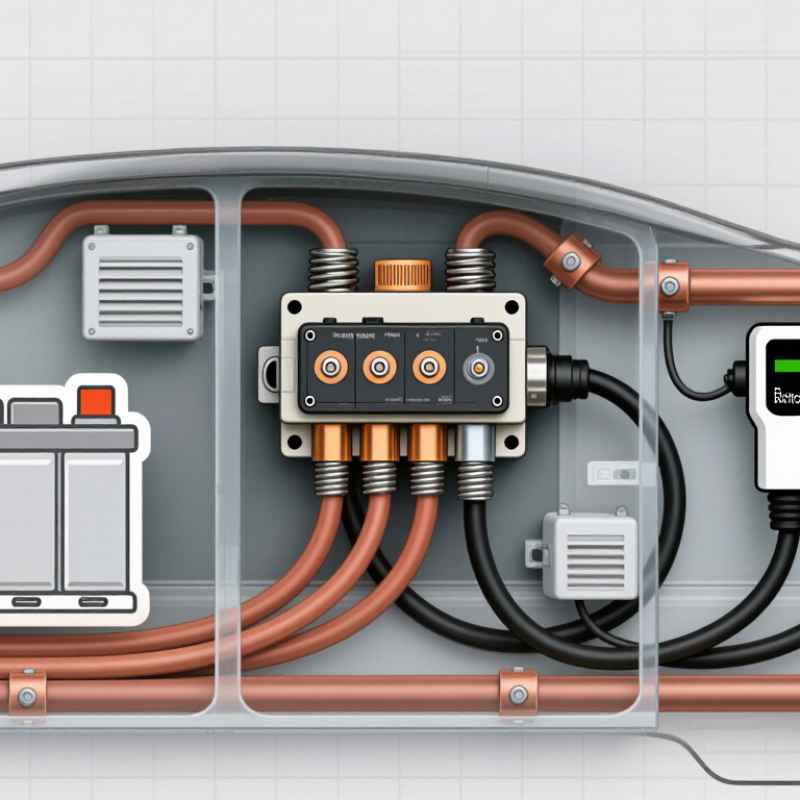
An electric vehicle charging station depends on more than cables, software, and visible connectors. Inside the cabinet, a DC contactor controls the high-power path between the battery, power converter, and charging outlet. EV Charging Station DC Contactors act like electrically controlled switches. They connect or isolate direct current safely when charging begins, pauses, or stops.

A well-selected contactor must handle high voltage, continuous current, switching frequency, and heat. For example, a fast-charging cabinet may carry hundreds of amperes through compact copper terminals. Sealing also matters, especially where dust, humidity, or temperature changes affect the enclosure. Many modern contactors use sealed chambers and auxiliary contacts to reduce arc exposure and support feedback monitoring. This detail is easy to overlook. A failed feedback signal can delay fault detection.

This guide explains what a DC contactor does, how it operates, and where it fits within an EV charging system. It also examines coil voltage, contact resistance, precharge circuits, insulation requirements, and common selection errors. Practical service experience shows that ratings alone do not guarantee reliable performance. Installation quality, busbar layout, cooling, and control logic can change real-world results.

The safest design is rarely the cheapest component.

Readers should verify electrical specifications with qualified engineers and current manufacturer documentation. Product requirements differ between charging levels, enclosure designs, and regional standards. Even experienced teams can miss a small detail, such as inadequate precharge timing or loose terminal torque. Understanding these limitations helps create charging equipment that is safer, quieter, and more dependable.
What Is an EV Charging Station DC Contactor?

What Is an EV Charging Station DC Contactor?

What Is an EV Charging Station DC Contactor?

An EV charging station DC contactor is a high-voltage electromechanical switch. It connects or disconnects direct current between the power module and vehicle battery. Unlike a small relay, it must manage high voltage, large current, and dangerous electrical arcs. Its contacts usually sit inside a sealed chamber filled with gas or vacuum. This design helps suppress arcing when the circuit opens.

The International Energy Agency reported more than four million public charging points worldwide at the end of 2023. It also recorded public charger growth of about 40% that year. This rapid expansion increases the need for reliable switching components. A DC contactor supports safe startup, emergency shutdown, isolation testing, and controlled power delivery. Many systems use a precharge contactor to limit the initial capacitor surge. Poor timing can damage components. That detail is easy to underestimate.

Tips: Check the contactor’s continuous current, breaking capacity, insulation rating, and coil voltage. Confirm compatibility with the station’s cooling design. IEC 60947-based testing can support safer component selection, but field conditions still matter. Dust, heat, vibration, and repeated switching may reduce service life. Engineers should also inspect contact welding and contact resistance during maintenance. In practice, no single specification tells the whole story. A smaller contactor may look efficient, yet it can overheat under sustained fast-charging loads.

How Does a DC Contactor Work in an EV Charger?

A DC contactor is an electrically controlled switch inside an EV charger. It connects or disconnects high-voltage DC power safely. Unlike a household relay, it handles greater current and stronger electrical stress. Its contacts usually remain open when the charger is inactive. That simple movement protects people and equipment.

When charging begins, the control circuit checks voltage, insulation status, and temperature. It then energizes the contactor’s coil, creating a magnetic field. The coil pulls a movable contact against a fixed contact. Power can now flow from the charger to the vehicle. A precharge path often limits the initial current surge. After voltage equalizes, the main contactor closes. The coil releases when charging stops, opening the circuit. DC arcs are difficult to interrupt because current has no natural zero crossing. Arc-suppression materials and sealed chambers help control this energy. Mechanical timing matters.

Reliable operation depends on more than the contactor itself. Engineers monitor auxiliary contacts to confirm the real position. If contacts weld together, the charger must detect the fault before delivering power. During service checks, technicians may inspect contact resistance, coil response, and heat marks. No component is flawless. Dust, vibration, repeated switching, or excessive heat can shorten its life. A slightly delayed opening may reveal wear before a serious failure occurs. That detail is easy to miss.

What Are the Main Components of a DC Contactor?

What Is an EV Charging Station DC Contactor?

What Are the Main Components of a DC Contactor?

A DC contactor is an electrically controlled switch inside an EV charging station. It connects or disconnects high-voltage direct current safely. Unlike a simple relay, it must manage strong current and electrical arcs during switching.

The contact chamber contains fixed contacts and a moving contact bridge. These conductive parts carry charging current when the contactor closes. A copper alloy is often used for its conductivity and resistance to heat. The coil creates a magnetic field that moves the bridge. A return spring opens the circuit when the coil loses power. Small changes in spring force can affect switching reliability.

Arc-control parts are equally important. Some contactors use a sealed chamber filled with gas to reduce oxidation and control arcing. Others use magnetic blowout structures that push the arc away from contact surfaces. The housing provides electrical insulation and mechanical protection. Seals help prevent moisture from entering, although seals are never perfect.

Terminals connect the contactor to the battery circuit, charging cables, and control wiring. Auxiliary contacts report the open or closed position to the control system. This feedback helps detect welded or incorrectly positioned contacts. In practice, wiring errors and poor heat management still cause failures. Careful inspection matters. A compact contactor may look simple, but every internal part affects charging safety.

Why Is a DC Contactor Important for Charging Safety?

An EV charging station DC contactor is a high-voltage switch that controls direct current between the charger and the vehicle battery. Unlike a household relay, it must manage strong electrical loads without creating dangerous arcs. Its contacts open when charging stops, during a detected fault, or when communication becomes unreliable. This physical separation helps protect people, cables, and power electronics.

Safety depends on more than simply closing the contactor. The charging system should check insulation, connector status, voltage, and current before energizing the circuit. A pre-charge sequence can reduce the sudden current surge caused by empty capacitors. Auxiliary contacts also report whether the main contacts opened or closed correctly. If contacts weld together, the system can detect the mismatch and block further charging. That detail matters.

In practical inspection, technicians should look for heat marks, unusual noise, loose terminals, and delayed switching. A contactor may appear normal while internal surfaces are already damaged. It is not a perfect safety device. Poor cooling, contamination, repeated overloads, or incorrect control signals can shorten its life. I would also avoid treating software warnings as proof of safe isolation. A physical measurement and a documented maintenance procedure provide stronger evidence. The design may be reliable, but every protection layer deserves testing.

How Should a DC Contactor Be Selected and Maintained?

An EV charging station DC contactor controls high-voltage power between the battery system and charging circuit. Its selection affects safety, efficiency, and service life. Start with the maximum DC voltage, continuous current, and short-circuit conditions. Add practical margin for heat and repeated switching. A contactor rated only for normal current may fail during inrush.

Check the coil voltage and control method carefully. Some systems use pulse control, while others hold the coil continuously. The enclosure should resist dust, moisture, vibration, and temperature changes. Arc suppression is essential because DC arcs do not naturally cross zero. Confirm suitable isolation, auxiliary feedback, and precharge compatibility. Small gaps matter. A wiring diagram helps.

Maintenance should follow the station’s service schedule and applicable electrical standards. Always isolate, lock out, and verify the circuit is de-energized before inspection. Look for discolored terminals, melted insulation, loose hardware, and unusual clicking. Measure coil resistance and insulation performance with approved instruments. Check auxiliary contacts through the controller’s diagnostic records. Keep it clean.

In field service, heat around the terminals often reveals a poor connection before total failure. I have also seen maintenance teams replace a contactor without correcting the original overload. That wastes time. A checklist is useful, but not sufficient. Review switching frequency, ambient temperature, and charging faults together. Sealed contactors usually require replacement, not internal repair. Record every test result, even when the reading appears normal.

FAQS

What is a DC contactor in an EV charging station?

It is an electrically controlled switch for high-voltage direct current. It connects or separates the charger and vehicle battery. Think of it as a heavy-duty gate.

How does a DC contactor control charging current?

An energized coil creates a magnetic field. This field moves the contact bridge onto fixed contacts. When power stops, a return spring opens the circuit.

Which parts carry the charging current?

Fixed contacts and the moving contact bridge carry the current. Copper alloy is often used for conductivity and heat resistance. Small parts matter.

How does the contactor control electrical arcs?

Some designs use sealed gas chambers to reduce oxidation and control arcing. Others use magnetic blowout structures to move arcs away from contact surfaces.

Why are auxiliary contacts useful?

Auxiliary contacts report whether the main contacts are open or closed. The control system can compare this feedback with its command. That mismatch may reveal welded contacts.

What checks should happen before high-voltage charging begins?

The system should check insulation, connector status, voltage, and current. A pre-charge sequence can reduce sudden current surges. Empty capacitors can demand a lot.

What problems can damage a DC contactor?

Poor cooling, contamination, repeated overloads, loose terminals, and incorrect control signals can cause failures. Heat marks and unusual noise deserve attention. Delay matters too.

Can software warnings prove that the circuit is safely isolated?

No. Software warnings are helpful, but they are not physical proof. A measured voltage check and documented maintenance procedure provide stronger evidence. Do not assume.

Conclusion

An EV charging station DC contactor is an electrically controlled switch designed to connect and disconnect high-voltage direct current safely within an EV charger. When charging begins, the contactor closes after the system confirms that voltage, current, insulation, and communication conditions are normal. When charging stops or a fault is detected, it opens quickly to isolate the battery and charging circuit. This controlled operation helps manage high power while reducing the risk of electrical arcing, equipment damage, and user exposure.

The main components of a DC contactor typically include fixed and moving contacts, an electromagnetic coil, a magnetic core, a return spring, an insulating housing, and arc-control structures. These parts work together to provide reliable switching and electrical isolation. EV Charging Station DC Contactors should be selected according to rated voltage, continuous current, breaking capacity, switching frequency, insulation requirements, and operating environment. Regular inspection, clean connections, temperature monitoring, and timely replacement of worn components help maintain safe and dependable charging performance.


Ethan

Ethan

Ethan is a professional marketing specialist with a strong understanding of product strategy, customer needs, and market development. As a valued member of our team, he combines practical marketing experience with a deep knowledge of the company’s products, services, and industry applications. His......

Copyright © 2026 Altran Magnetics, LLC. All Rights Reserved.